Child Growth Tracker: Designing for Clarity and Connection
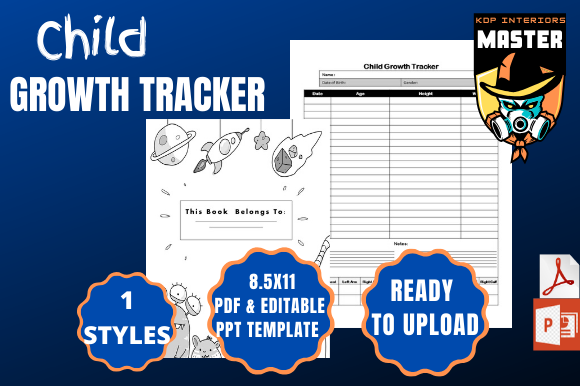
In today’s fast-paced design landscape, tools that blend functionality with visual appeal are essential for creators aiming to deliver meaningful user experiences. The Child Growth Tracker is one such resource — a professionally crafted design asset that supports both print and digital applications, offering a structured yet creative way to visualize developmental milestones. Whether used in editorial design, branding materials, or digital marketing assets, this tracker simplifies complex information while maintaining a modern aesthetic.
Designing for Purpose: Branding and Visual Identity
When integrating the Child Growth Tracker into brand systems, designers can leverage its clean layout and adaptable format to reinforce brand consistency. Its 100-page structure allows for a cohesive narrative flow, making it ideal for brand identity kits, parent-focused product packaging, or healthcare-related marketing collateral. The bleed-on settings and 8.5×11-inch dimensions ensure print-ready quality, aligning with professional design standards for both KDP publishing and commercial printing.
Designers can enhance brand storytelling by customizing the tracker’s color palette, typography, and imagery to reflect the brand’s tone. For instance, soft pastels and rounded fonts may suit a playful, family-oriented brand, while minimalist layouts with bold sans-serif typefaces can communicate professionalism in a medical or educational context.
Applications Across Creative Projects
This versatile design resource finds relevance across multiple creative applications:
- Branding and Logo Design: Use tracker templates to build visual timelines that showcase brand evolution or customer journey milestones.
- Marketing Materials: Easily repurpose pages into infographics, milestone posters, or campaign visuals for parenting brands.
- Social Media Graphics: Export individual tracker sections as engaging posts that highlight developmental stages or product usage over time.
- Editorial Design: Integrate the tracker into children’s books, parenting magazines, or educational publications for structured visual storytelling.
Optimizing for Digital and UI/UX Design
The inclusion of both PDF and PPT files opens the door to seamless digital integration. Web designers can extract visual elements to build responsive timelines or interactive dashboards, while UX professionals can use the tracker as a reference for designing user-centric interfaces in parenting apps or health-tracking platforms.
For UI design, the tracker’s grid-based layout offers a foundation for scalable components. Designers can adapt its structure to maintain visual hierarchy across devices, ensuring readability and intuitive navigation. The ability to instantly download and edit the files streamlines the workflow, especially when aligning with existing design systems or style guides.
Key Design Considerations
To maximize the impact of the Child Growth Tracker, consider the following design principles:
- Consistency: Maintain uniformity in fonts, colors, and spacing across all pages to ensure a professional finish.
- Readability: Choose legible fonts and sufficient contrast to support easy comprehension, especially for printed versions.
- Visual Hierarchy: Use size, weight, and placement to guide attention and emphasize key developmental markers.
- Scalability: Ensure graphics and layout adapt well across formats, from mobile screens to printed posters.
By applying these principles, designers can elevate the tracker from a simple tracking tool to a powerful visual communication asset that enhances both aesthetics and usability.
In an era where design plays a pivotal role in how information is perceived and retained, resources like the Child Growth Tracker empower creators to build more engaging, purposeful, and visually compelling content. Whether applied in branding, editorial design, or digital marketing, this tool supports a design-first approach that aligns with evolving audience expectations and industry trends.