Designing Effective Weight Loss Progress Log Books
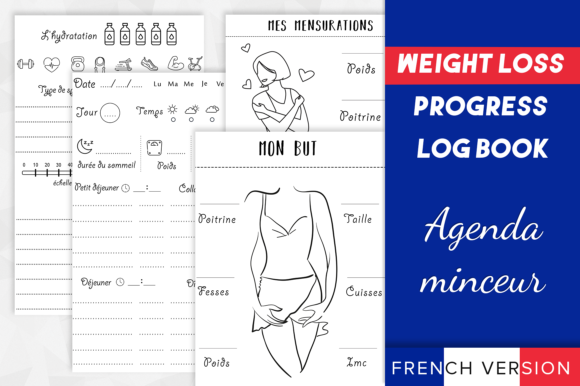
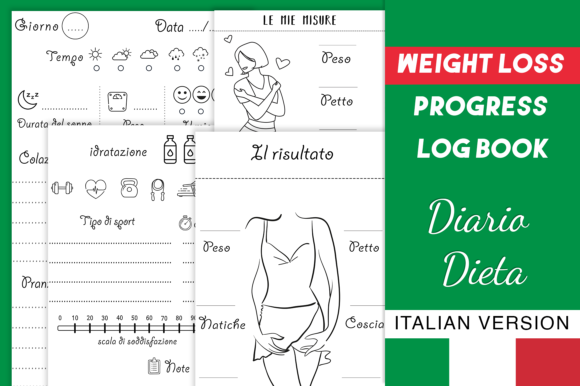
In the world of low-content publishing, a well-designed Weight Loss Progress Log Book Dieta can be both a functional tool and a visually compelling product. Whether you're creating for Amazon KDP or private clients, the visual appeal and usability of your log book directly influence its marketability and user experience. Thoughtful graphic design elevates such products from generic templates to premium resources that resonate with health-conscious audiences.
Visual Design and Brand Identity
Creating a Weight Loss Progress Log Book Dieta requires more than just layout skills—it's about crafting a visual identity that communicates purpose, clarity, and motivation. The right color palette, typography, and layout structure help define the tone of the book. Soft, calming colors like pastel greens or blues can evoke wellness and balance, while bold, clean fonts ensure readability and a modern aesthetic.
Consider how each design element contributes to brand perception. A minimalist design with ample white space can suggest sophistication and focus, while illustrated elements or icons add a touch of warmth and approachability. These subtle design decisions help establish trust and engagement with the user.
Typography and Readability
Typography plays a critical role in the usability of your log book. A clear visual hierarchy ensures users can easily navigate sections for food tracking, workout logs, and mood monitoring. Choose body fonts that are highly legible at small sizes, especially for sections like calorie tracking or water intake logs. Headings should be distinct but not overwhelming, allowing for quick scanning and daily use.
Layout and User Experience
The structure of your Weight Loss Progress Log Book Dieta should guide the user naturally through the content. Each page should feel intuitive—whether it’s a weekly meal planner or a BMI tracker. Consistent margins, alignment, and spacing contribute to a clean, professional presentation that enhances usability and encourages daily engagement.
- Use grid-based layouts for consistency
- Ensure adequate spacing between input fields
- Balance text with visual elements like icons or progress charts
Design Workflow and Compatibility
When designing for KDP or print-on-demand platforms, it's essential to follow platform-specific formatting guidelines. Ensure your file is set up with the correct bleed, trim size, and resolution for optimal print quality. Use CMYK color mode for accurate color reproduction and embed all fonts to avoid rendering issues.
Marketing and Creative Applications
From a marketing perspective, a well-designed log book can serve as a powerful asset in your creative portfolio. It can be used in:
- Social media graphics promoting your KDP product
- Email marketing campaigns targeting wellness audiences
- Editorial-style landing pages for digital product sales
- Branded merchandise bundles including fitness trackers or planners
By aligning your log book’s design with current visual trends—like soft gradients, organic shapes, and sustainable themes—you can create a product that feels both modern and timeless.
Ultimately, the success of a Weight Loss Progress Log Book Dieta hinges on the synergy between form and function. When visual design supports usability and emotional engagement, the result is a product that not only sells but also inspires action. Whether you're designing for personal use or commercial distribution, investing in thoughtful, user-centered design ensures your log book stands out in a crowded marketplace.