Strategic Use of the KDP Therapist Log Book for Professional Growth and Planning
For professionals in the therapy and mental health space, organization and intentionality are key to long-term success. The KDP Therapist Log Book offers a structured, flexible tool for therapists, counselors, and wellness professionals to track sessions, manage client progress, and refine their own practice. More than just a notebook, this resource supports strategic thinking, client communication, and operational clarity when used with purpose.
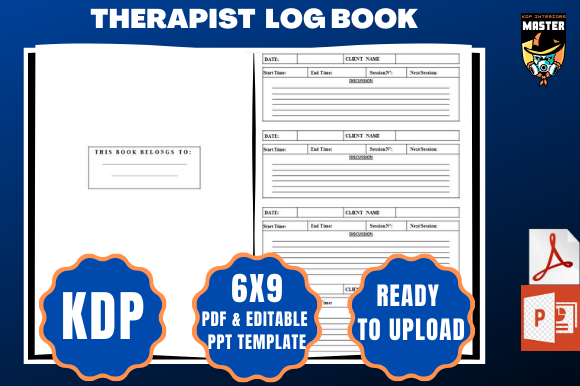
Designed for use with Amazon KDP, the KDP Therapist Log Book comes with precise bleed settings, a 6×9-inch format, and 100 interior pages—providing ample space for weekly entries, session notes, reflection prompts, and goal-setting exercises. Whether you're a solo practitioner, part of a group practice, or building a wellness brand, this log book can be a cornerstone of your professional development system.
How the KDP Therapist Log Book Supports Strategic Planning
Therapists often juggle multiple responsibilities: client sessions, continuing education, administrative tasks, and personal growth. A well-organized log book helps bring clarity to this dynamic environment. The KDP Therapist Log Book is not just a place to record session notes—it's a planning instrument.
- Goal tracking: Use the pages to define and track short- and long-term goals, from client retention to business expansion.
- Session reflection: After each session, jot down insights, challenges, and follow-up actions to refine your approach over time.
- Pattern recognition: Over weeks and months, you'll start to notice trends in client behavior, emotional triggers, and effective interventions.
- Professional development: Log books are ideal for tracking continuing education hours, supervision notes, and self-assessment exercises.
By using the KDP Therapist Log Book as a planning tool, professionals can make more informed decisions about client care, service offerings, and personal growth strategies.
Positioning and Branding Through Consistent Documentation
Consistency in documentation builds credibility and trust—both with clients and within professional networks. The KDP Therapist Log Book supports this by offering a clean, standardized format that can be referenced during supervision, audits, or collaborative care planning.
When used regularly, this log book becomes part of your professional identity. It reflects your attention to detail, your commitment to growth, and your ability to maintain high standards. These qualities are essential for therapists looking to build a strong reputation in their field or expand into publishing, speaking, or consulting roles.
When to Use the KDP Therapist Log Book and How to Approach It
The KDP Therapist Log Book is most effective when integrated into a regular workflow. Consider using it during the following moments:
- Before sessions: Jot down session goals or review previous notes to stay aligned with client progress.
- After sessions: Reflect on what went well, what could be improved, and any follow-up actions needed.
- At the start of the week: Use the log book to outline your schedule, set priorities, and plan for professional development.
- At the end of the month: Review your entries to assess progress toward goals, identify areas for improvement, and document learning moments.
To get the most from the KDP Therapist Log Book, approach it with intention. This means setting up a system that works for you—whether that’s using bullet points, mind maps, or structured templates. The included PowerPoint file can help you design your own page layouts or templates for consistent formatting.
Maximizing the Value of the KDP Therapist Log Book
Here are a few practical ways to get more strategic value from your KDP Therapist Log Book:
- Create a key: Develop a simple system of symbols or color codes to denote different types of notes—such as client progress, administrative tasks, or personal reflections.
- Use it for supervision: Bring your log book to supervision sessions to provide concrete examples of your work and areas where you'd like feedback.
- Track emotional responses: Note your own emotional reactions to sessions to better understand your triggers and boundaries.
- Link to long-term goals: Each month, connect your session notes to broader goals—like expanding your practice or developing a niche specialty.
- Review quarterly: Flip back through your log book every few months to spot patterns, celebrate progress, and recalibrate your focus.
Considerations Before Relying on the KDP Therapist Log Book
While the KDP Therapist Log Book is a valuable tool, it's important to use it within a broader framework of professional practices. Before integrating it into your routine, ask yourself:
- What specific outcomes am I trying to achieve? Are you looking to improve client care, track your own growth, or support business planning?
- Do I have a system for organizing my notes? Without structure, even the best log book can become cluttered and ineffective.
- How will I protect client confidentiality? Make sure your notes don't include identifying information unless required for legal or ethical documentation.
- Am I prepared to be consistent? The value of the KDP Therapist Log Book grows with regular use—sporadic entries may not yield meaningful insights.
Risks of Using the KDP Therapist Log Book Without Clear Intent
Without a clear purpose, the KDP Therapist Log Book can become just another notebook collecting dust. Some common pitfalls include:
- Over-documentation: Writing too much without reflection can lead to burnout and inefficiency.
- Underutilization: Failing to revisit past entries means missing out on opportunities for growth and pattern recognition.
- Misalignment with goals: If your notes don't connect to your broader objectives, they may not support meaningful progress.
- Confidentiality risks: Accidentally including sensitive client data can create legal or ethical issues.
To avoid these risks, treat the KDP Therapist Log Book as a strategic asset—not just a record-keeping tool. Set boundaries, establish routines, and reflect regularly to ensure it contributes to your professional growth.
Using the KDP Therapist Log Book Intentionally
Intentional use of the KDP Therapist Log Book means aligning your entries with your professional values and goals. Here’s how to do that:
- Define your purpose: Why are you using this log book? Is it for client management, personal growth, or business development?
- Set up a system: Decide how you’ll structure your entries—whether by date, client name, or theme.
- Build in reflection time: Schedule regular moments to review your notes and extract insights.
- Link to action: Turn reflections into actionable steps—like adjusting your session approach or planning a new service offering.
- Evaluate regularly: Assess how the log book is helping you and make adjustments as needed.
By approaching the KDP Therapist Log Book with this level of intention, you can turn daily notes into a powerful strategy for long-term success.
Long-Term Value of the KDP Therapist Log Book
Over time, the KDP Therapist Log Book becomes more than a notebook—it becomes a repository of professional wisdom. Each entry contributes to a growing body of knowledge that can inform your decisions, support your growth, and enhance your client relationships.
Whether you're a new therapist building your practice or an experienced clinician refining your approach, the KDP Therapist Log Book offers a structured, flexible way to document your journey. And with its clean formatting, 100 pages, and compatibility with Amazon KDP, it's ready to use right out of the box.
So, if you're ready to bring more intentionality to your practice, consider making the KDP Therapist Log Book a regular part of your professional toolkit. The insights you gain—and the growth you experience—will be well worth the effort.