KDP Metal Detecting Journal: A Practical Guide to Choosing and Using It the Right Way
If you're into metal detecting or planning to start, a well-structured journal can make a big difference in how you organize your findings, track locations, and improve your skills over time. The KDP Metal Detecting Journal is a popular choice for many enthusiasts because it's designed specifically for this purpose. However, even the best tools can fall short if not used correctly. Let's walk through some of the common pitfalls people encounter and how you can avoid them to get the most out of your journal.
What Exactly Is the KDP Metal Detecting Journal?
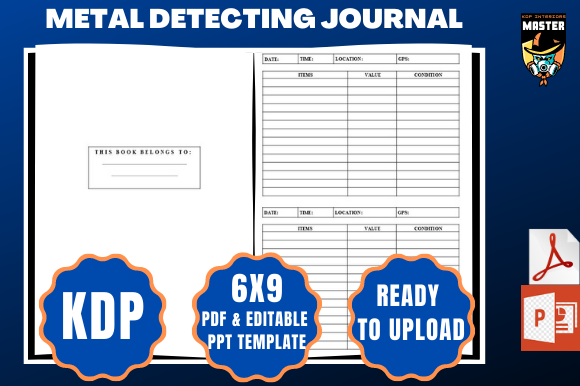
The KDP Metal Detecting Journal is a ready-to-use interior template created for Kindle Direct Publishing. It comes with 100 pages in a 6×9-inch format, designed with bleed settings enabled for professional print quality. The package includes a PDF file for the interior and a PowerPoint file for cover design, making it easy to upload and publish your own metal detecting journal. Whether you're a hobbyist, a content creator, or a small business owner looking to publish niche products, this journal offers a convenient starting point.
Common Mistakes When Using the KDP Metal Detecting Journal
While the journal has a lot going for it, users often run into issues because of overlooked details or misunderstandings about how it's intended to be used. Here are some of the most frequent problems and how they can affect your experience:
1. Skipping the Bleed Settings Check
One of the most common issues arises from not verifying the bleed settings. The journal is designed with bleed on, which means the background or images extend beyond the trim edge to avoid white borders after printing. If you ignore this or change the settings without understanding the implications, your printed version may look unprofessional.
Better approach: Always double-check that your file maintains the correct bleed settings before uploading to KDP. Use the preview tool to spot any formatting issues early.
2. Misunderstanding the File Format
The KDP Metal Detecting Journal includes a PDF and a PowerPoint file. Some users expect editable text in the PDF, which isn't typically the case unless specifically designed that way. Others overlook the PowerPoint file, which is crucial for designing a matching cover.
Better approach: Understand the role of each file. Use the PDF as the interior layout and the PowerPoint file to create a visually aligned cover. If you need editable content, make sure the PDF is compatible with your editing software.
3. Assuming It’s Fully Customizable
Many buyers expect full customization options in terms of fonts, spacing, and layout. However, the journal is a template, not a fully editable document in all aspects. Trying to force changes that aren't supported can lead to formatting errors or extra work.
Better approach: Work within the structure provided. If customization is a must, consider hiring a designer or using tools that support advanced layout changes without breaking the design.
4. Overlooking Page Count and Layout
The journal has 100 pages, which sounds generous, but not all pages may be suitable for every user. Some may find that the layout doesn't offer enough space per entry or that the design doesn't match their preferred style of note-taking.
Better approach: Review a sample if available, or look at the page layout before purchasing. If you're creating your own version, consider how much space each entry needs and whether the format supports your workflow.
What to Check Before Buying or Using the Journal
Before you commit to using the KDP Metal Detecting Journal, there are several key points to verify to ensure it meets your needs:
- File compatibility: Confirm that the PDF works with your editing tools and that the PowerPoint file is usable for your cover design.
- Print-ready formatting: Make sure the bleed settings, margins, and fonts are correctly set for KDP standards.
- Intended use: Determine if the journal's layout suits your metal detecting style—whether you prefer sketching, writing, or combining both.
- Resale and customization rights: If you plan to sell the journal or modify it significantly, ensure you have the right to do so under the product’s licensing terms.
How to Get the Most Out of Your Journal
Once you've confirmed that the KDP Metal Detecting Journal fits your needs, here are a few tips to make the most of it:
- Test with a sample upload: Use KDP’s previewer to check how the journal looks in print and digital formats before publishing.
- Keep a backup: Save your original files and any edits you make. This helps if you need to re-upload or update the journal later.
- Pair it with a strong title and description: Since the interior is ready-made, your book’s success will depend heavily on how well you present it to potential buyers.
- Consider bundling: If you're a creator or entrepreneur, consider offering this journal alongside related products like maps, guides, or custom cover designs.
Realistic Alternatives and Adjustments
If the KDP Metal Detecting Journal doesn’t fully meet your expectations, there are alternatives. You can create your own journal using tools like Canva or Adobe InDesign, or hire a designer to build a custom version. While this requires more effort and possibly a budget, it allows for full control over the design and functionality.
Another option is to modify the existing template. For example, if the default page count doesn’t suit your needs, you can adjust the number of pages or add blank pages at the end for extra notes. Just be sure the final file still meets KDP’s formatting requirements.
Final Thoughts
The KDP Metal Detecting Journal is a solid resource for anyone looking to publish a practical, print-ready journal quickly. It’s especially useful for those who want to focus on content rather than design. However, like any template, it works best when used with awareness of its features and limitations. By avoiding common formatting mistakes, understanding file types, and making informed decisions before publishing, you can ensure your journal turns out professional and functional.
Whether you're using it for personal tracking or selling as a niche product, the key is to treat it as a foundation—not a one-size-fits-all solution. With a little planning and attention to detail, the KDP Metal Detecting Journal can be an excellent tool in your creative or entrepreneurial journey.