KDP Isometric Notebook: A Designer’s Best Friend for Creative Projects
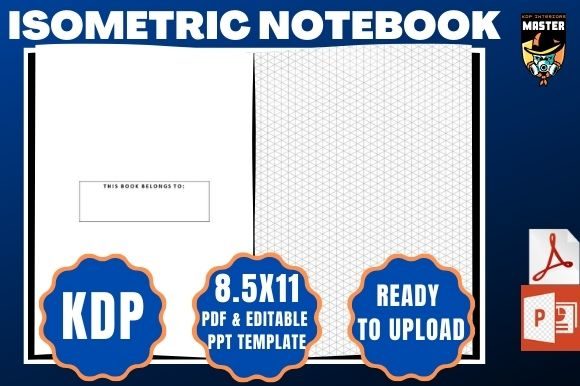
When it comes to creating visually compelling notebooks, journals, or workbooks, the right interior layout makes all the difference. The KDP Isometric Notebook offers a clean, functional, and professionally designed interior template tailored for creators who want to publish high-quality print-on-demand products on Amazon KDP. With 100 pages, bleed-on settings, and dimensions of 8.5×11 inches, this notebook is built for both personal and commercial use. Whether you're a designer, marketer, small business owner, or independent publisher, this ready-to-upload interior saves time while ensuring your product meets KDP’s formatting standards.
What sets the KDP Isometric Notebook apart is its isometric grid layout, which provides a structured yet creative canvas for sketching, note-taking, wireframing, or planning. The grid system supports visual organization without overwhelming the page, making it ideal for professionals who need clarity and flexibility in their layouts. The inclusion of both a PDF file and a PowerPoint file allows for easy customization, ensuring that you can tweak the design to fit your brand or project needs without starting from scratch.
Design Aesthetics and Visual Personality
The visual style of the KDP Isometric Notebook leans toward minimalism with a touch of technical precision. Its isometric grid pattern—comprising 3D-like grid lines at 30-degree angles—creates a sense of depth and dimensionality. This makes it especially appealing for design professionals, architects, game developers, and UX/UI designers who rely on spatial planning and visual storytelling.
Unlike standard lined or dotted notebooks, the isometric grid encourages creative freedom while maintaining structure. It’s a subtle yet powerful design element that appeals to both left-brain and right-brain thinkers. Whether you're drafting product sketches, mapping out a business strategy, or designing a layout for a new app, the KDP Isometric Notebook offers the right balance between form and function.
Practical Applications Across Industries
One of the strengths of the KDP Isometric Notebook lies in its versatility. While it’s commonly used by artists and designers, its value extends far beyond creative fields. Entrepreneurs can use it for business planning, marketers for campaign ideation, educators for lesson planning, and content creators for storyboarding. Its isometric structure supports visual thinking across disciplines, making it a go-to interior for a wide range of print-on-demand products.
- Branding and Packaging Design: Use the grid layout to sketch logo concepts, packaging mockups, or brand identity boards.
- Web and App Development: Ideal for wireframing user interfaces or mapping out digital product flows.
- Content Creation: Perfect for bloggers and YouTubers who need to organize scripts, visual ideas, or project timelines.
- Education and Training: Helps educators and trainers visually structure lesson plans, infographics, and learning materials.
Typography and Readability Considerations
While the KDP Isometric Notebook doesn’t include a specific font (since it’s designed for the interior layout), the grid itself plays a role in how text and visuals interact on the page. When adding your own text elements—such as headers, instructions, or branding copy—it’s important to choose a typeface that complements the notebook’s structured yet creative aesthetic.
For body text, opt for a clean sans serif or serif font that enhances readability without competing with the grid. For titles or callouts, a modern display font or a subtle script font can add personality without disrupting the visual flow. The goal is to maintain a cohesive look that supports both usability and brand identity.
How to Choose the Right Font Pairings
Font pairing is a crucial part of the design process, especially when you’re customizing the notebook’s cover or adding instructional text inside. A good rule of thumb is to pair a bold, attention-grabbing font with a more neutral, legible font. For example, a modern script font could work well for a title or subtitle, while a clean sans serif font ensures readability in body text.
- Consider the Project’s Tone: Is it professional, playful, minimalist, or bold? Choose fonts that align with that tone.
- Test for Legibility: Especially important if the notebook will be used for writing or reference material.
- Check Licensing: Make sure any fonts you use are licensed for commercial use, especially if you're selling the notebook on KDP or elsewhere.
Why This Notebook Works for Commercial Use
The KDP Isometric Notebook isn’t just a design tool—it’s a valuable asset for creators looking to launch profitable print-on-demand products. Since it’s pre-formatted to meet KDP’s specifications, you can upload it directly without worrying about bleed settings, margins, or page count. This saves time and reduces the risk of formatting errors that could delay your product launch.
Moreover, the notebook’s professional layout and isometric grid appeal to a broad audience, making it a versatile option for different niches. Whether you're creating a productivity journal for entrepreneurs, a sketchbook for artists, or a planning pad for marketers, the KDP Isometric Notebook gives you a solid foundation to build upon.
Final Thoughts for Designers and Publishers
If you're serious about launching a polished, professional notebook on Amazon KDP, the KDP Isometric Notebook is a smart investment. It eliminates the hassle of formatting from scratch and ensures your interior meets print standards right from the start. Whether you're a seasoned designer or a first-time publisher, this template gives you the tools to create a visually appealing, functional product that resonates with your audience.
Remember, the goal isn’t just to create a notebook—it’s to create an experience. The right interior layout, combined with thoughtful typography and intentional design choices, can elevate your product from generic to premium. The KDP Isometric Notebook gives you that foundation, so you can focus on what matters most: your content and your audience.