Inventory Log: Practical Tips to Avoid Costly Mistakes
Managing inventory effectively is crucial for businesses of all sizes, whether you're a solo entrepreneur tracking supplies or a retailer managing thousands of SKUs. An Inventory Log is a powerful tool that helps maintain organization, streamline operations, and support decision-making. However, even the best inventory systems can fall short when used incorrectly or without proper setup. Understanding how to choose, set up, and use an Inventory Log properly can make all the difference in your workflow and bottom line.
Common Mistakes When Using an Inventory Log
Many users jump into using an Inventory Log without fully understanding its features or how it should be integrated into their existing systems. This can lead to confusion, inefficiency, and missed opportunities for optimization. Here are some of the most common mistakes and how to avoid them:
1. Overlooking File Format and Compatibility
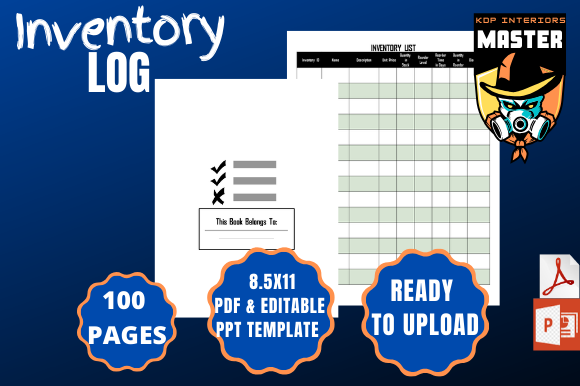
One of the first decisions to make is the format of your Inventory Log. While many templates are available in Excel or Google Sheets, some users prefer a downloadable PDF or a PowerPoint presentation for visual tracking. Choosing the wrong format can limit your ability to edit or update your inventory in real time.
Realistic example: A small business owner downloads a static PDF Inventory Log, only to realize later that they can't update quantities without manually rewriting the document each time. This leads to outdated records and confusion during inventory checks.
Better approach: Choose a format that suits your needs. If you need to make frequent updates, opt for a spreadsheet format. If you're using the log for presentations or visual reports, the PPT file included with some templates can be more effective.
2. Ignoring Bleed Settings and Print Layout
For those planning to print their Inventory Log, especially for physical record-keeping or in-store use, overlooking bleed settings can result in a poorly formatted document. A standard 8.5×11 in. page with bleed on ensures that your log prints cleanly without cut-off text or missing margins.
Realistic example: A creator prints their Inventory Log without checking bleed settings and ends up with pages that look unprofessional, with text cut off at the edges.
Better approach: Always verify that your template includes bleed settings if you plan to print. This small detail can significantly impact the readability and presentation of your inventory records.
3. Underestimating the Need for Quality Control
Just because a template is labeled as "Instant Download" doesn't mean it's free of errors. Some downloadable Inventory Logs may contain formatting issues, missing fields, or incorrect formulas that can compromise your data accuracy.
Realistic example: A blogger downloads a free Inventory Log from an unverified source and later discovers that the file has broken links and inconsistent column widths, making it hard to use.
Better approach: Choose templates that have been checked for quality—like those with 100 Check quality on KDP or verified by other users. Read reviews and, if possible, preview the file before purchasing.
How to Use an Inventory Log Effectively
An Inventory Log is only as good as the way it's implemented. Here are some practical tips to ensure you're getting the most out of your template:
Customize for Your Specific Needs
Don’t feel bound by the default layout. Customize the columns to include the information that matters most to your business—like product ID, supplier name, reorder level, or cost per unit.
Better approach: Take a few minutes to adjust the template before you start entering data. This small investment can save hours of frustration later.
Keep It Updated Regularly
One of the biggest pitfalls is letting your Inventory Log become outdated. If you're not updating it regularly, it becomes a snapshot of the past—not a tool for real-time decision-making.
Realistic example: A small business owner forgets to update the log after a large shipment arrives. A week later, they accidentally oversell an item because the system still shows the old stock level.
Better approach: Set a recurring reminder to update your log, or integrate it with your point-of-sale system for automatic updates if possible.
Back It Up
If you're using a digital version, especially a PPT or PDF file, always keep a backup in case of device failure or accidental deletion.
Better approach: Store a copy in the cloud or on an external drive. If you're using a spreadsheet, enable version history so you can revert to a previous version if needed.
What to Check Before Downloading or Using an Inventory Log
Before you commit to a specific template, consider the following factors to ensure it will meet your needs:
- File Format: Does it include both a PDF and a PPT? Will you be able to edit the file if needed?
- Print Settings: Is the bleed set to on? Are the dimensions correct for your printer or binder?
- Quality Assurance: Has the file been reviewed for errors or formatting issues? Is it from a trusted source like KDP with verified quality checks?
- Customization Options: Can you easily add or remove fields to suit your business needs?
Choosing the Right Inventory Log for Your Situation
The right Inventory Log depends on your specific use case. Are you tracking a small number of items or managing a large warehouse? Do you need something printable or digital? Do you want to share it with a team or keep it for personal use?
For example, a freelancer who stocks office supplies might find a simple one-page PDF log sufficient. In contrast, a retailer with hundreds of products may need a detailed spreadsheet with multiple tabs and automated calculations.
Final Thoughts
An Inventory Log is more than just a checklist—it's a foundational tool for managing your business efficiently. Whether you're a beginner or a seasoned professional, avoiding common mistakes and choosing the right format and quality-checked template can make a big difference in how smoothly your operations run.
By understanding what to look for and how to use your Inventory Log effectively, you'll save time, reduce errors, and make smarter decisions. So take a moment to review your options, customize your template, and start managing your inventory with confidence.